




Manufacturing, Engineering & Technology Cluster
Metal Fabrication & Joining Technologies
About This Program
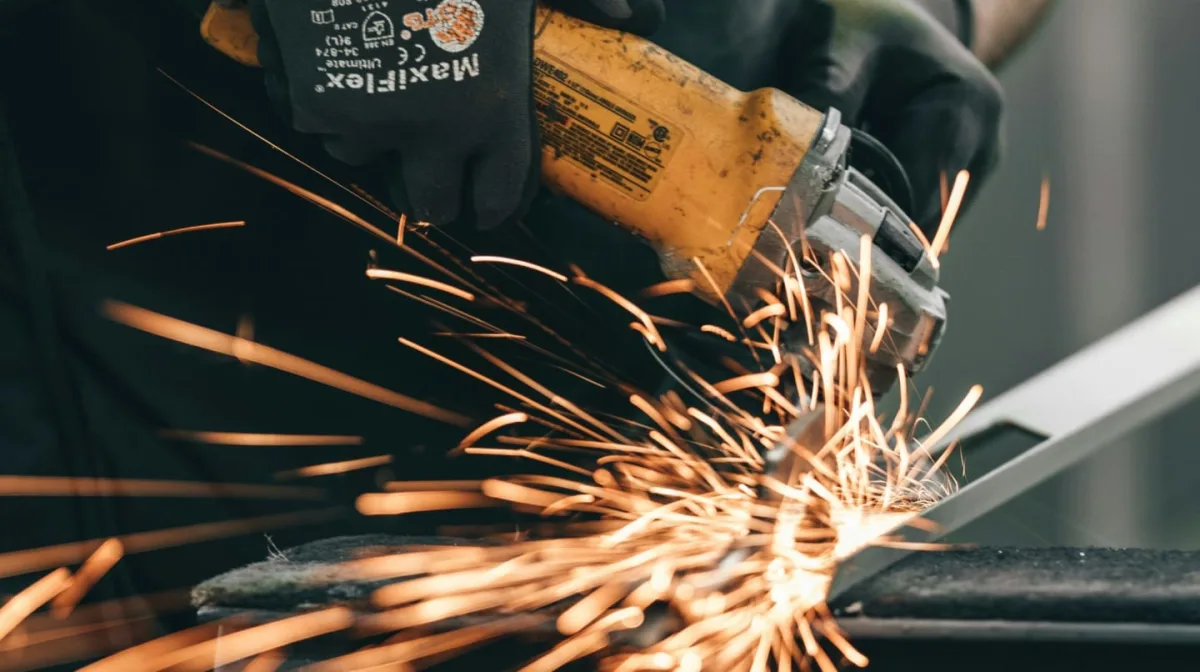
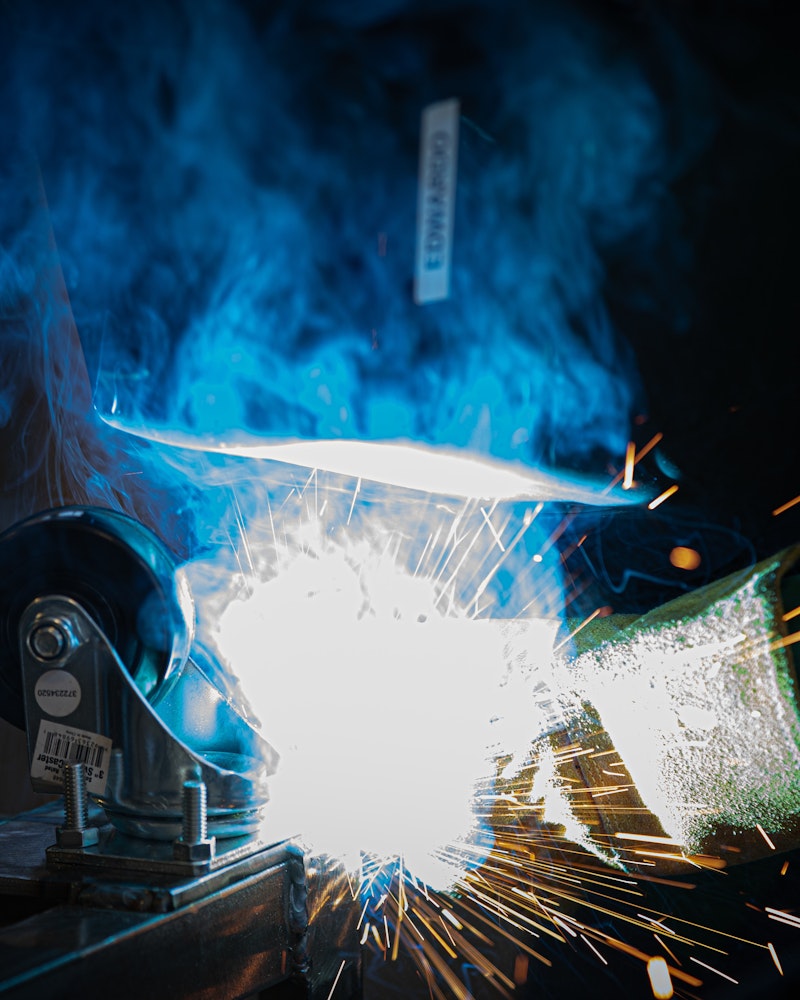
The Metal Fabrication & Joining Technologies program offers a variety of opportunities for students to access real world experience in addition to the ability to graduate with certifications sought by regional employers. The curriculum offers practical skills in metal fabrication, layout, and welding with theory and welding practice. A wide range of skills surrounding welding and sheet metal are presented. Students are trained in many forms of welding using up-to-date equipment. They include; Oxyacetylene Cutting and Welding (OAC/W), Shielded Metal Arc Welding (SMAW), Gas Metal Arc Welding (GMAW), Gas Tungsten Arc Welding (GTAW), Resistance Welding (spot welding), as well as other related fabrication opportunities.
Career Paths
- ARC/MIG Entry-Level Welder
- TIG Entry-Level Welder
- Welding Research Technician
- Welding Technologist
- Sheet Metal Fabrication
- Press Brake Operator
- Metal Fabricator
- Burn Table Operator / PAC
Industry Partnerships
- SkillsUSA
Certifications
- OSHA 10 Hour General Industry
- Hot Works Certification
Articulation Agreements
- North Shore Community College – Danvers
- Massachusetts Statewide Community College
Advisory Committee Members
- Jared Stievater, AirGas
- Charlie Spencer, Essex Tech NightHawks
- Paul Rappucci, Iron Workers Local 7
- Christopher Beaton, Ironworkers Local 7
- Marshall Robbins, NightHawks Adult Ed
- Jay Coughlin, Quinn Brothers Iron
- Jason Vining, Salem Metal
- Tim McLaughlin, SPS New England
Meeting Documents
Metal Fabrication & Joining Technologies Teacher

Mr. John (Jack) Kelly
Metal Fabrication and Joining Technologies Teacher
jkelly@essextech.net
Metal Fabrication & Joining Technologies Course Descriptions
Metal Fabrication & Joining Technologies Exploratory 9
Course # mf101
Credits: 2
This exploratory course introduces grade 9 students to hands-on experience making a project under direct supervision. The primary focus of exploratory is to instill safety and to learn an array of welding skills, sheet metal skills, the proper use of hand tools, and how to properly operate fabrication equipment.
Metal Fabrication & Joining Technologies Fabrication Services 9
Course # mf103
Credits: 4
This course introduces students with the basic knowledge and skill training necessary for continued success in the Welding program. Students receive instruction in career opportunities, program operational procedures, personal and shop safety, tool usage, basic operation of oxy-acetylene welding processes, shielded metal arc welding (SMAW), simple fabrication operations, and use of hand and power tools. Students receive instruction through a combination of presentations, demonstrations and hands-on performance.
Metal Fabrication & Joining Technologies Fabrication 10
Course # mf200
Credits: 16
Safety is predominant and the operation of hand tools, equipment, and machinery is all reviewed. Basics Design Process and Material Layout are applied with projects with angles and scaling. The standards that the curricula focus on are the Welding and Joining Processes that include; oxy-acetylene welding, shielded metal arc welding (SMAW), gas metal arc welding (GMAW), the flux core welding, gas tungsten arc welding, soldering, and the spot-welding process. Students will complete OSHA certification and Hot Works certification.
Metal Fabrication & Joining Technologies Theory 10
Course # mf201
Credits: 4
The theory of welding and joining processes used in the program are integrated into the related curricula. Topics include; measurement techniques, blueprint reading, design process and material layout, and the welding applications of oxy-acetylene welding, shielded metal arc welding (SMAW), gas metal arc welding (GMAW), the flux core welding, gas tungsten arc welding, soldering, and the spot-welding process. Additionally, the standards of welding mathematics and pattern drafting, create basic mechanical drawings with dimensions to manufacture templates and duct components and convert drawings to DXF file will be integrated throughout the curricula.
Metal Fabrication & Joining Technologies 11
Course # mf300
Credits: 20
Students will continue shop safety practices in accordance with industry regulations and OSHA standards while performing metal fabrication processes. Students will demonstrate proficiency in Gas Tungsten Arc Welding (GTAW) on carbon steel, stainless steel, and aluminum, producing welds that meet industry quality standards, with emphasis on electrode selection, shielding gases, joint preparation, heat control, and weld evaluation. Students will operate and maintain fabrication equipment including press brakes, cutoff saws, milling machines, powered rollers, plasma arc cutting systems, and carbon arc cutting equipment, adhering to manufacturer specifications .Students will apply advanced metal forming and metal finishing techniques to produce projects that meet specified tolerances and surface quality requirements. Students will interpret and fabricate from technical blueprints and welding symbols; apply welding mathematics including measurement, layout, and geometric calculations; and perform pattern development for formed components.
Metal Fabrication & Joining Technologies Theory 11
Course # mf301
Credits: 4
Continued theory of welding and joining processes used in the program are integrated into the related curricula. Topics include; measurement techniques, blueprint reading, material layout, mechanical drawings and the welding applications. Students will create and interpret basic mechanical drawings with proper dimensioning and tolerancing consistent with industry drafting standards. Additionally, fabricating projects from blueprints. Understanding and compliance with welding code is emphasized.